
Blog
How Much Does EV Battery Replacement Cost in 2026?
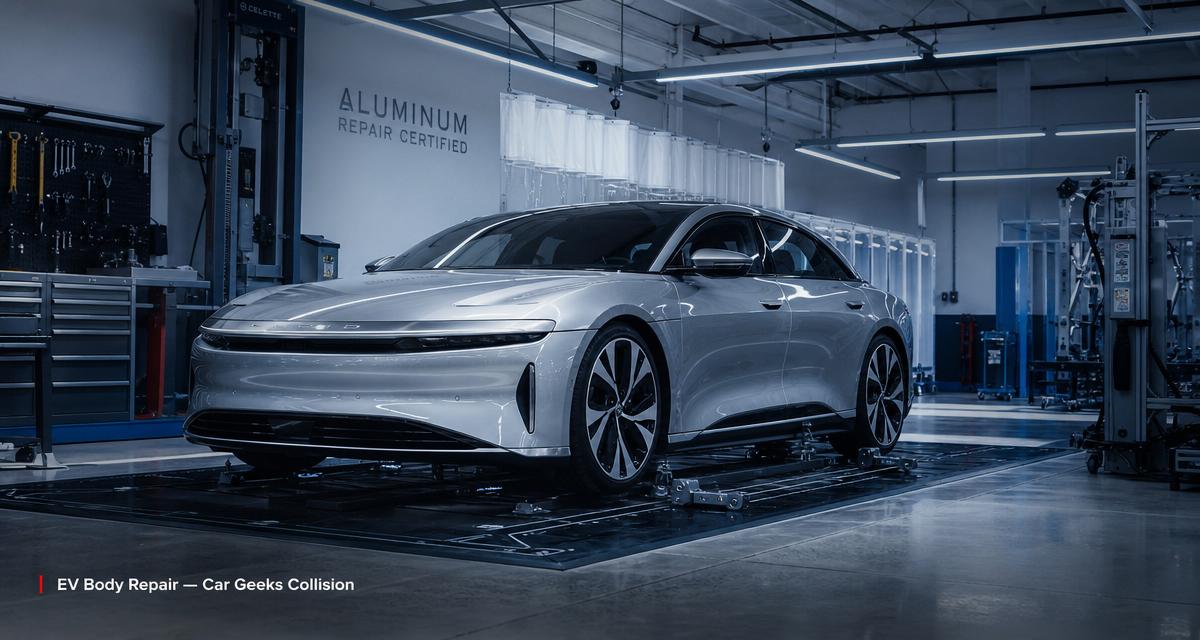
Discover the true costs of EV battery replacement in 2026, and understand why many drivers won't actually pay for it. Get informed now!
Direct answer: There is no dependable universal price for replacing an electric-vehicle battery. The cost depends on the exact vehicle, battery part number, warranty eligibility, whether the replacement is new or remanufactured, labor requirements and whether related components were damaged.
If you have received a battery quote, begin by checking the vehicle’s warranty and requesting a VIN-specific, itemized estimate. Do not compare quotes using only the final total.
Key Takeaways
Battery warranty terms differ by manufacturer, model, year and failure type.
Warranty expiration does not mean the battery will immediately fail.
Module-level repair is not available or appropriate for every battery pack.
Manufacturing cost per kilowatt-hour is not the same as an installed retail price.
Collision damage, gradual degradation and an internal battery fault are different situations.
A damaged EV may require vehicle-specific towing and safety precautions before it is moved.
This article provides general educational information. Battery procedures, warranty coverage, insurance coverage and repair options vary by vehicle and circumstance.
Check the Battery Warranty Before Comparing Prices
Many EV manufacturers offer battery warranties around eight years or 100,000 miles, according to the U.S. Department of Energy’s Alternative Fuels Data Center. That is a common pattern, not a universal promise.
Review the warranty booklet associated with the vehicle’s VIN and confirm:
The time and mileage limits
Whether the warranty covers defects, capacity loss or both
Any stated capacity threshold and testing procedure
Exclusions involving collision, flood, misuse, modification or improper service
Whether the warranty transfers to a subsequent owner
Where diagnosis and covered work must be performed
A battery may continue working well after the warranty expires. The end of contractual coverage is not a prediction of immediate battery failure.
Why EV Battery Replacement Prices Vary
A quote depends on more than pack size. Important variables can include:
Vehicle make, model, year and battery configuration
The exact battery assembly and part number
Whether the part is new, manufacturer-remanufactured, independently remanufactured or used
Parts availability and any core-return requirement
Labor operations required by the manufacturer
Diagnostic, programming or initialization procedures
Related cooling, wiring, enclosure or mounting damage
Shipping, handling, taxes and disposal requirements
Manufacturing-price benchmarks reported per kilowatt-hour describe industry production economics. They do not represent a customer’s installed invoice and should not be multiplied by pack capacity to predict a retail quote.
What an Itemized Battery Quote Should Include
Ask the provider to identify each major component of the quote in writing:
Battery part number and condition
New, remanufactured or used status
Diagnostic operations
Removal and installation labor
Related hardware, fluids or one-time-use parts
Programming, initialization or required testing
Shipping, core or hazardous-material handling charges
Taxes and shop charges
Written coverage for the battery and labor
Two quotes may differ because they do not include the same battery, operations or warranty—not simply because one shop charges more.
Full-Pack Replacement, Module Repair and Other Paths
A complete battery replacement is not always the only possible service path, but module repair is not universally available either. The correct option depends on pack design, manufacturer procedures, parts availability, battery condition and the provider’s approved scope.
Complete battery assembly
A full assembly may be required when the manufacturer does not support internal repair, when damage affects the enclosure or multiple systems, or when an appropriate replacement module is not available.
Module-level work
Some battery designs may permit module-level diagnosis or replacement. Other packs are sealed, structurally integrated or subject to procedures that limit who may open or service them. Ask the provider to identify the applicable manufacturer information rather than assuming a module repair is possible.
Remanufactured or used assemblies
A less expensive assembly may carry different testing, compatibility and warranty conditions. Request the exact part information, state-of-health documentation when available, source, coverage terms and core requirements.
Degradation, Failure and Collision Damage Are Different
Gradual degradation is the reduction in usable capacity that occurs as a battery ages. It may affect driving range without indicating a sudden hardware failure.
Battery failure may involve cells, modules, sensors, contactors, wiring, thermal-management components or the battery-management system. Diagnosis should identify the actual fault before a replacement decision is made.
Collision damage can affect the battery enclosure, mounting points, underbody structure, cooling system, high-voltage connections or surrounding vehicle structure. A vehicle that still drives is not automatically safe or free of battery-related damage.
EV Battery Safety After a Collision
NHTSA advises treating a damaged high-voltage battery and associated components as energized. Physical damage can lead to immediate or delayed release of flammable or toxic gases and fire.
If there is fire, smoke, sparking, leaking, unusual heat or concerning sounds, move away and call 911.
Do not touch exposed high-voltage components or orange cables.
Consult the manufacturer’s emergency-response guide for the exact vehicle.
Use the towing and storage method specified for that vehicle.
Do not store a severely damaged lithium-ion vehicle inside or close to structures or combustibles.
NHTSA publishes manufacturer-provided emergency-response guides covering vehicle-specific fire, towing and storage information.
Does Insurance Cover EV Battery Damage?
Coverage depends on the policy, cause of loss, deductible, exclusions and evidence connecting the damage to the incident.
Collision coverage may apply to crash-related damage. Comprehensive coverage may address covered events such as flood, fire, theft or vandalism. A manufacturer warranty generally addresses covered defects or qualifying degradation rather than external collision damage.
Ask the insurer to explain its decision in writing. A repair facility may provide photographs, estimates and repair documentation, but it does not control coverage or guarantee authorization.
How Long Can Battery Replacement Take?
There is no reliable universal timeline. Diagnosis, parts sourcing, transportation, manufacturer requirements, insurer review and related vehicle damage can all affect completion.
Ask the provider to separate:
Diagnostic time
Parts lead time
Removal and installation time
Programming or verification steps
Related collision or structural repairs
Request status updates when a milestone changes rather than relying on a guaranteed delivery date before diagnosis and parts confirmation.
Is Replacing the Battery Financially Reasonable?
Compare the complete repair quote with the vehicle’s market value, warranty eligibility, expected remaining useful life and available replacement options. Consider the warranty on the replacement battery and whether related repairs are also needed.
A lower-cost battery is not automatically the better choice if its condition, compatibility, testing history or warranty is unclear. Conversely, a complete new assembly may not be economically reasonable for every older vehicle.
Questions to Ask Before Authorizing Work
What fault or damage has been confirmed?
What evidence supports replacing the complete battery?
Does the manufacturer permit another repair path?
What exact battery part number is included?
Is the replacement new, remanufactured or used?
What testing and documentation will I receive?
What warranty applies to the part and labor?
Which operations are performed onsite and which are referred?
What could change the estimate or timeline?
EV Collision Assessment in Hollywood, Florida
Car Geeks Collision performs collision and body-repair planning for electric vehicles in Hollywood, Florida. That process may include identifying the vehicle, reviewing applicable manufacturer information and evaluating body or structural collision damage.
High-voltage or battery-related work is only undertaken when it has been confirmed in writing as part of the repair plan for the specific vehicle. When a required operation falls outside the confirmed scope, the concern should be documented and coordinated with or referred to an appropriately equipped provider.
Learn about EV collision and body repair, review the collision repair process, or request a collision-damage estimate.
Frequently Asked Questions
Is there a typical EV battery replacement price?
No single price applies across vehicles. Obtain a VIN-specific, itemized quote and verify warranty eligibility before comparing options.
What happens when the battery warranty expires?
Warranty coverage ends according to the contract, but the battery may continue functioning. Its condition must be evaluated separately.
Can an individual battery module be replaced?
Sometimes, but only when the pack design, manufacturer procedure, parts availability and provider capabilities allow it.
Does insurance cover battery damage after a crash?
It may, depending on the policy, cause of loss, deductible, exclusions and evidence connecting the damage to the collision.
Is a collision-damaged EV safe to drive?
Not necessarily. Follow the vehicle-specific emergency, towing and storage guidance before moving it.
What should a battery quote include?
Ask for the battery part number and condition, labor operations, diagnostics, related hardware, shipping or core charges, taxes and written warranty terms.