Blog
Your Right to Choose a Collision Repair Shop: Questions to Ask Before You Decide

After a crash, an insurer may recommend a repair facility or describe a preferred network. Recommendations can be convenient, but the important decision is whether the shop can perform and document the repairs your specific vehicle requires. Start with your policy and local rules Claim procedures and consumer rights vary. Ask the insurer what your policy covers, whether estimates or inspections are required, and how payments are handled if you choose a different facility. For legal questions,...
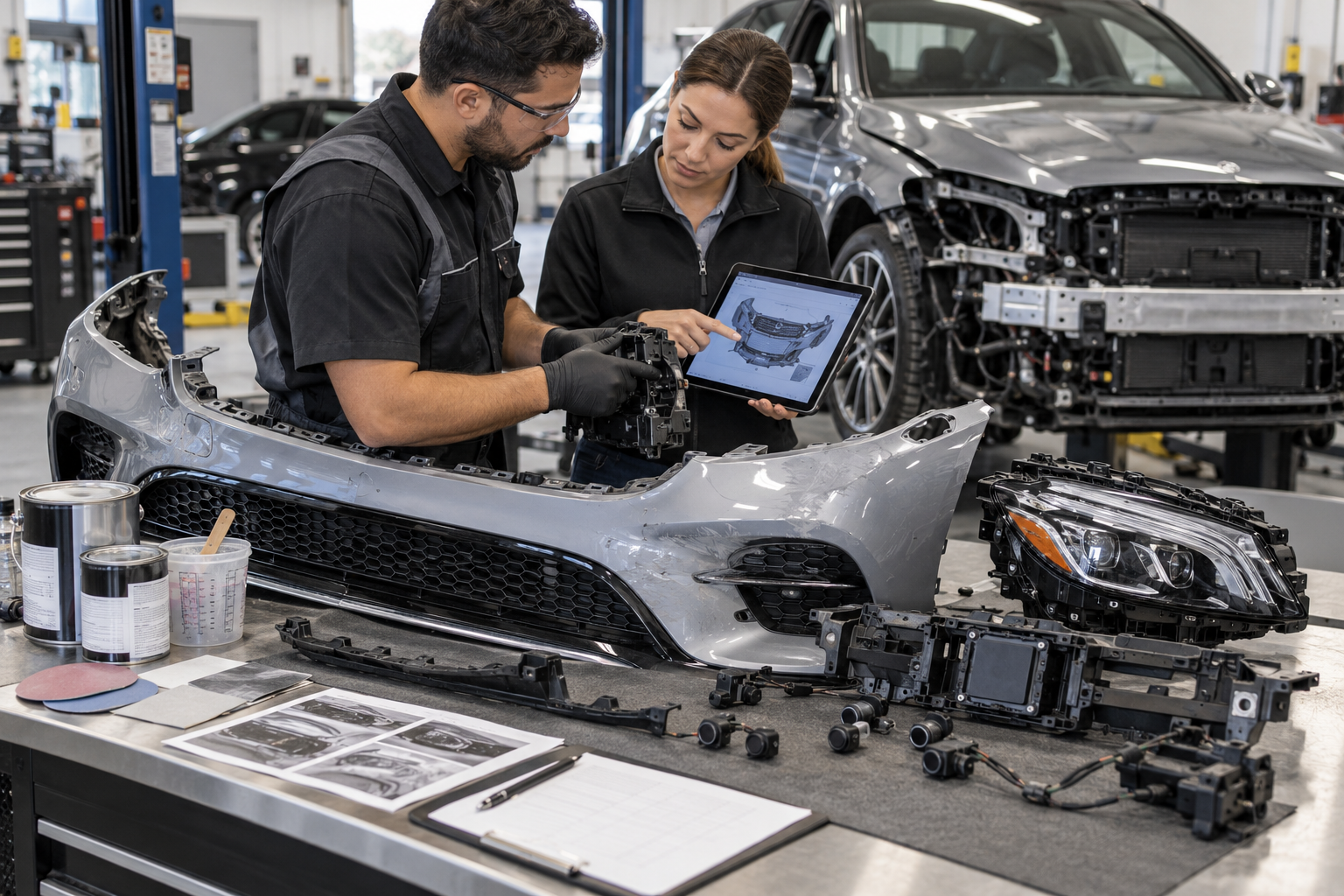
After a crash, an insurer may recommend a repair facility or describe a preferred network. Recommendations can be convenient, but the important decision is whether the shop can perform and document the repairs your specific vehicle requires.
Start with your policy and local rules
Claim procedures and consumer rights vary. Ask the insurer what your policy covers, whether estimates or inspections are required, and how payments are handled if you choose a different facility. For legal questions, rely on the appropriate state agency or a licensed professional rather than assumptions.
Questions for any repair shop
• Will you research procedures for my exact vehicle?
• How do you document hidden damage and supplements?
• Can you handle structural measurement, scanning, and calibration?
• What parts types are listed on the estimate?
• How will you protect corrosion resistance?
• Who updates me about approvals, parts, and timing?
• What documentation will I receive at delivery?
Understand preferred networks
A network relationship can set administrative rules between a shop and insurer. It does not replace your need to review the repair plan. Ask how disputes over parts, labor operations, or required procedures are handled and whether you will be notified before compromises are made.
Compare more than the bottom line
Two estimates can differ because one includes teardown, scans, calibrations, materials, blending, or manufacturer-required steps that another omits. A lower initial total may increase after hidden damage is found. Compare the operations and assumptions, not just the final number.
Communication is a quality signal
The shop should be willing to explain the process in plain language and identify what is known, what remains uncertain, and what requires insurer approval. Avoid promises of an exact completion date before parts and hidden damage are understood.
Make an informed choice
Choose a facility based on its ability to plan, document, communicate, and complete the work—not only proximity or a single recommendation. Keep copies of estimates, authorizations, messages, and final records.
Car Geeks Collision can review an estimate, inspect the vehicle, and explain the repair steps that may be needed. Contact the team before authorizing work if you want a clear, vehicle-specific assessment.