
Blog
Total Loss or Repairable? What Vehicle Owners Should Understand After a Crash

Hearing that a vehicle may be a total loss can be confusing, especially when the visible damage does not look severe. A total-loss decision is mainly an economic assessment made by the insurer, not a simple judgment about whether technicians could physically repair the vehicle. What goes into the decision Insurers compare the vehicle’s pre-loss value with the expected cost of repairs and other claim expenses. The calculation may consider damage, labor, parts, taxes, storage, rental exposure,...
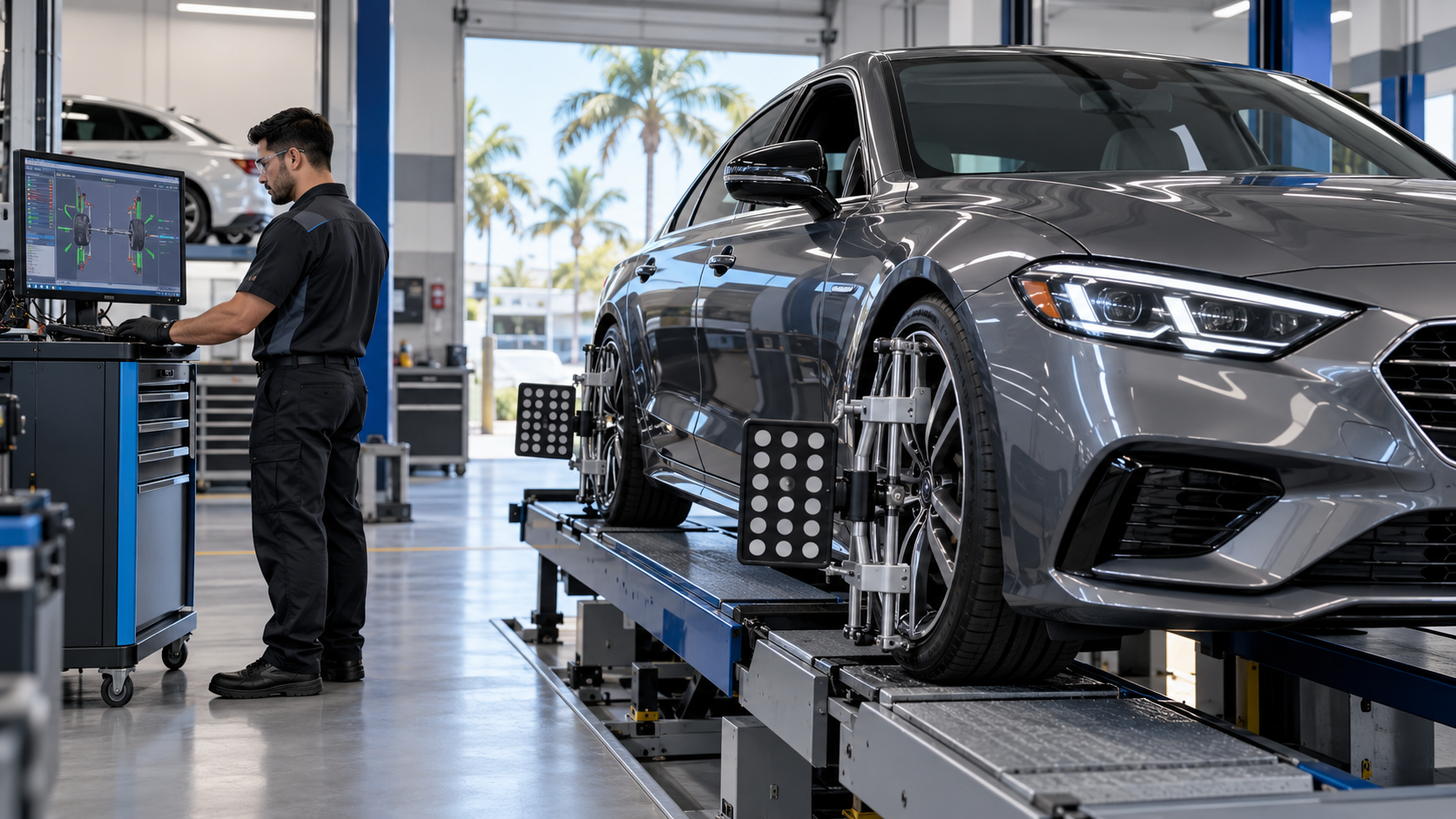
Hearing that a vehicle may be a total loss can be confusing, especially when the visible damage does not look severe. A total-loss decision is mainly an economic assessment made by the insurer, not a simple judgment about whether technicians could physically repair the vehicle.
What goes into the decision
Insurers compare the vehicle’s pre-loss value with the expected cost of repairs and other claim expenses. The calculation may consider damage, labor, parts, taxes, storage, rental exposure, salvage value, and rules that apply to the claim. The exact method varies, so ask the insurer to explain its valuation and calculation in writing.
Why estimates can grow
Initial estimates may be based on visible damage. Teardown can reveal structural deformation, broken mounts, damaged wiring, deployed restraint components, battery concerns, or calibration needs. Parts availability and manufacturer-required operations can also change the projected cost.
Repairable does not always mean practical
A technically possible repair may not make economic sense if costs approach the vehicle’s value. Conversely, an older vehicle with cosmetic damage may reach an insurer’s threshold even though it still starts and drives. Safety, parts support, repair time, and your ownership plans all deserve consideration.
Review the vehicle valuation
Check the year, trim, mileage, options, condition, and comparable vehicles used in the valuation. Provide receipts or records for major recent work or equipment if the insurer allows them. If information is incorrect, request a correction and keep communication organized.
Do not authorize major decisions blindly
Before repairs begin, understand who is responsible for teardown, storage, and reassembly costs if the vehicle is later declared a total loss. Remove personal belongings and ask what happens to the vehicle, title, plates, loan balance, and rental coverage. For claim-specific or legal questions, consult the insurer or an appropriate licensed professional.
How a collision center helps
A repair facility documents physical damage and prepares a repair plan; it does not control the insurer’s final settlement decision. Clear photos, scans, measurements, and procedure research can help everyone evaluate the damage accurately.
Car Geeks Collision can inspect collision damage and provide a documented repair assessment. If you are unsure whether your vehicle is likely repairable, schedule an inspection and bring the insurer’s estimate and valuation for comparison.