
Blog
Structural Adhesives and Rivets in Modern Collision Repair: Why Attachment Methods Matter

Many modern body panels are not attached with traditional spot welds alone. Automakers increasingly combine structural adhesives, self-piercing rivets, flow-form screws, plug welds, and other fasteners. These methods help manage weight, stiffness, corrosion, and crash forces—but only when the repair follows the correct procedure. Why manufacturers combine methods Adhesive can spread loads across a joint, seal out moisture, and reduce vibration. Rivets or approved welds hold components in...
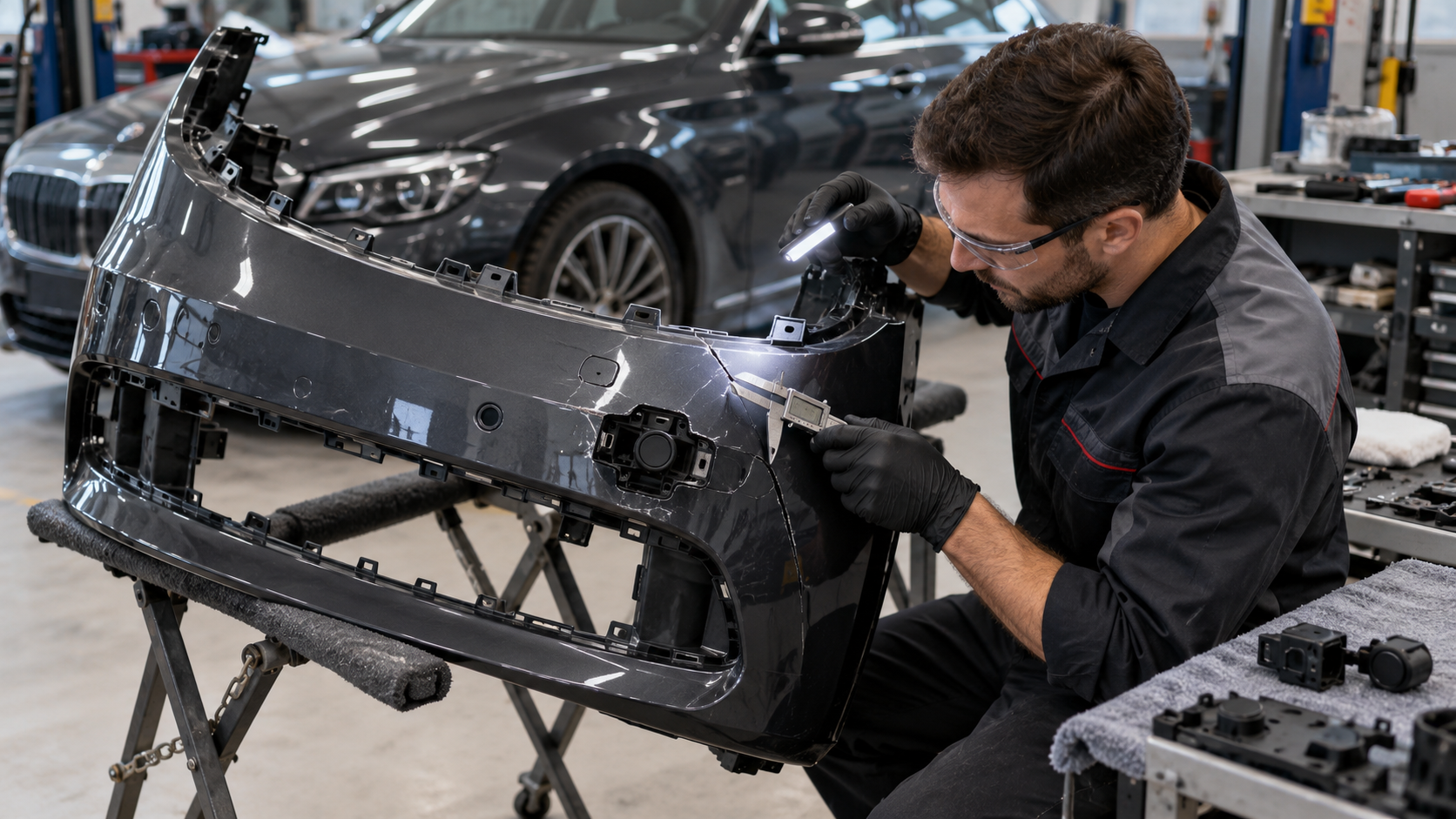
Many modern body panels are not attached with traditional spot welds alone. Automakers increasingly combine structural adhesives, self-piercing rivets, flow-form screws, plug welds, and other fasteners. These methods help manage weight, stiffness, corrosion, and crash forces—but only when the repair follows the correct procedure.
Why manufacturers combine methods
Adhesive can spread loads across a joint, seal out moisture, and reduce vibration. Rivets or approved welds hold components in position and provide mechanical attachment while the adhesive cures. The combination may be designed for a specific material stack, panel thickness, and crash load.
Not all adhesives or rivets are interchangeable
Products differ in chemistry, strength, cure time, temperature limits, and corrosion behavior. Rivets vary in alloy, diameter, length, and installation force. Using a convenient substitute can change joint performance or create galvanic corrosion when dissimilar metals meet.
What a correct repair may require
• Vehicle-specific repair information
• Approved adhesive and fastener types
• Clean, properly prepared bonding surfaces
• Correct overlap, spacing, and clamp time
• Calibrated application and riveting equipment
• Temperature and cure-time control
• Replacement of disturbed corrosion protection
Why heat control matters
Some high-strength steels and aluminum structures have strict limits on heating and straightening. Excess heat can alter material properties. Procedure research helps determine whether a part can be repaired, must be replaced, or can be sectioned at an approved location.
Quality checks happen before paint
Technicians inspect fit, squeeze-out, rivet seating, weld quality, and panel position before the joint is covered. Measurements and photos can document steps that will no longer be visible after refinishing and trim installation.
What owners can ask
Ask whether the shop researched the attachment method for your exact vehicle, used specified materials, and documented hidden structural work. These details matter more than whether the exterior looks smooth.
Car Geeks Collision can evaluate modern mixed-material construction and build a repair plan around the required joining methods. Contact the shop for an inspection if structural panels, rails, aprons, pillars, or bonded body components may be involved.