
Blog
OEM Repair Procedures: The Blueprint Behind a Safe Collision Repair

Two vehicles with similar-looking damage may require very different repair methods. The reason is simple: automakers specify how their structures, materials, electronics, and safety systems must be repaired. Those OEM repair procedures are the technical blueprint for planning the job. What OEM procedures cover Manufacturer information may identify where a panel can be sectioned, which welds or rivets are required, what adhesive to use, which fasteners are one-time-use, and where heat is...
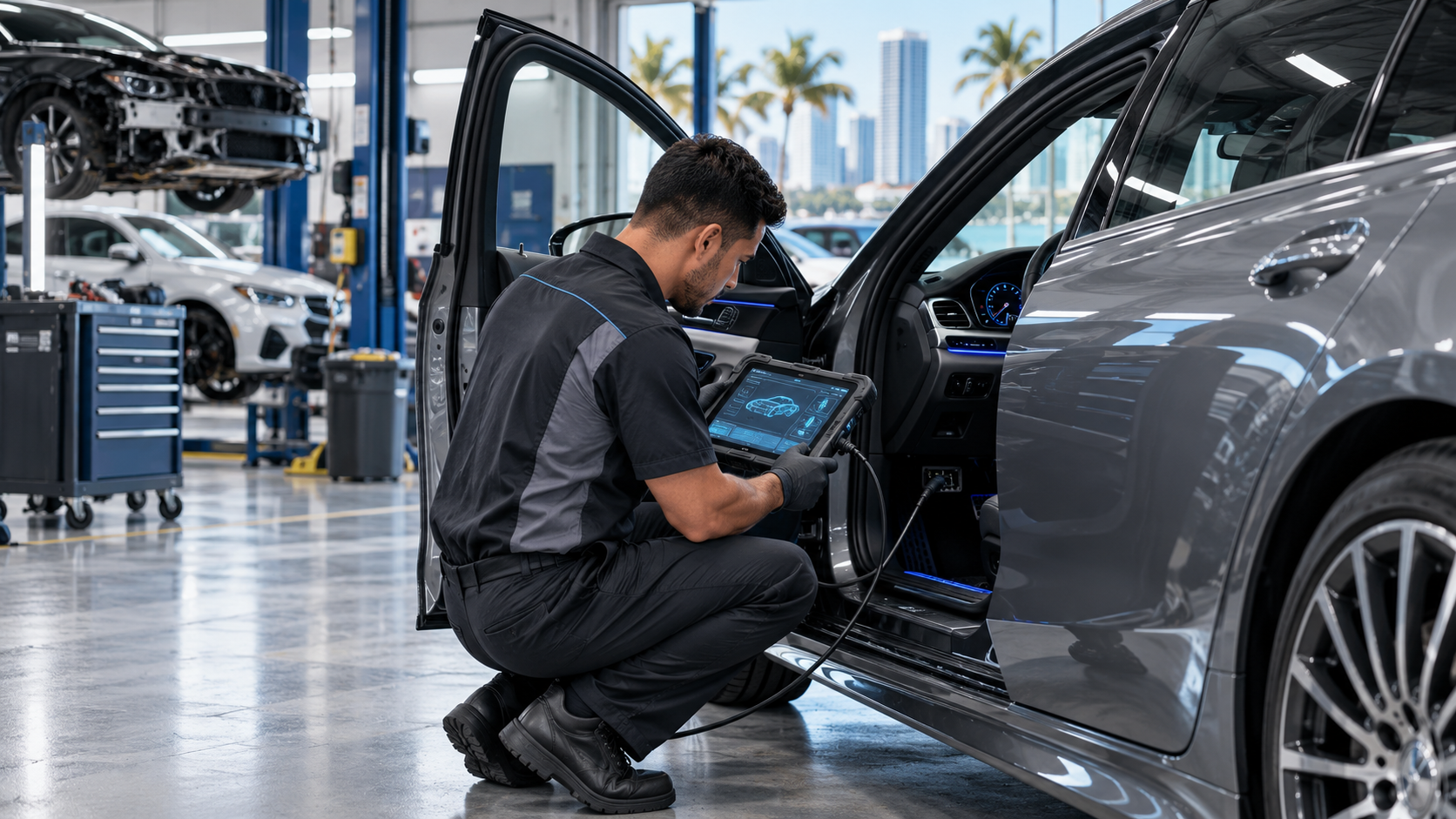
Two vehicles with similar-looking damage may require very different repair methods. The reason is simple: automakers specify how their structures, materials, electronics, and safety systems must be repaired. Those OEM repair procedures are the technical blueprint for planning the job.
What OEM procedures cover
Manufacturer information may identify where a panel can be sectioned, which welds or rivets are required, what adhesive to use, which fasteners are one-time-use, and where heat is prohibited. It can also specify corrosion protection, scan requirements, measurements, calibrations, and road-test steps.
Why the procedure depends on the vehicle
Modern bodies combine high-strength steel, aluminum, composites, and tailored blanks. A method that is acceptable on one model may weaken another. Even two model years of the same vehicle can have different sensors, materials, or attachment methods.
How procedures shape the estimate
A complete repair plan may include operations that are not obvious from exterior photos: removing interior trim for weld access, disconnecting power systems, applying cavity wax, performing destructive tests on sample welds, measuring the structure, or calibrating cameras and radar.
Repair versus replace decisions
OEM guidance helps determine whether a damaged part can be straightened, must be replaced as an assembly, or can be sectioned at an approved location. The decision should consider crack location, deformation, material type, intrusion, and the effect on crash-energy management—not only cost or appearance.
Documentation matters
Owners can ask whether current procedures were researched for their exact year, make, model, and options. Repair documentation may include photos, measurement reports, scan results, calibration records, and line items for required materials and steps.
What this means for you
A glossy finish does not reveal how the vehicle was repaired underneath. Following the correct procedure supports fit, corrosion resistance, electronics, and the way the structure is intended to perform.
Car Geeks Collision can build a repair plan around vehicle-specific requirements and explain why each major operation is included. Contact the shop for an inspection and a clearer understanding of what your vehicle’s repair may require.