
Blog
Collision Repair Storage Fees: How Delays Happen and How to Avoid Surprises

A damaged vehicle may spend days at a tow yard or repair facility before work begins. During that time, storage and administrative charges can accumulate. Understanding the process early can help owners avoid confusion and keep the claim moving. Why vehicles remain in storage Delays can occur while the insurer assigns an adjuster, determines coverage, inspects the vehicle, reviews a total-loss possibility, or approves teardown. The shop may also be waiting for authorization, owner direction,...
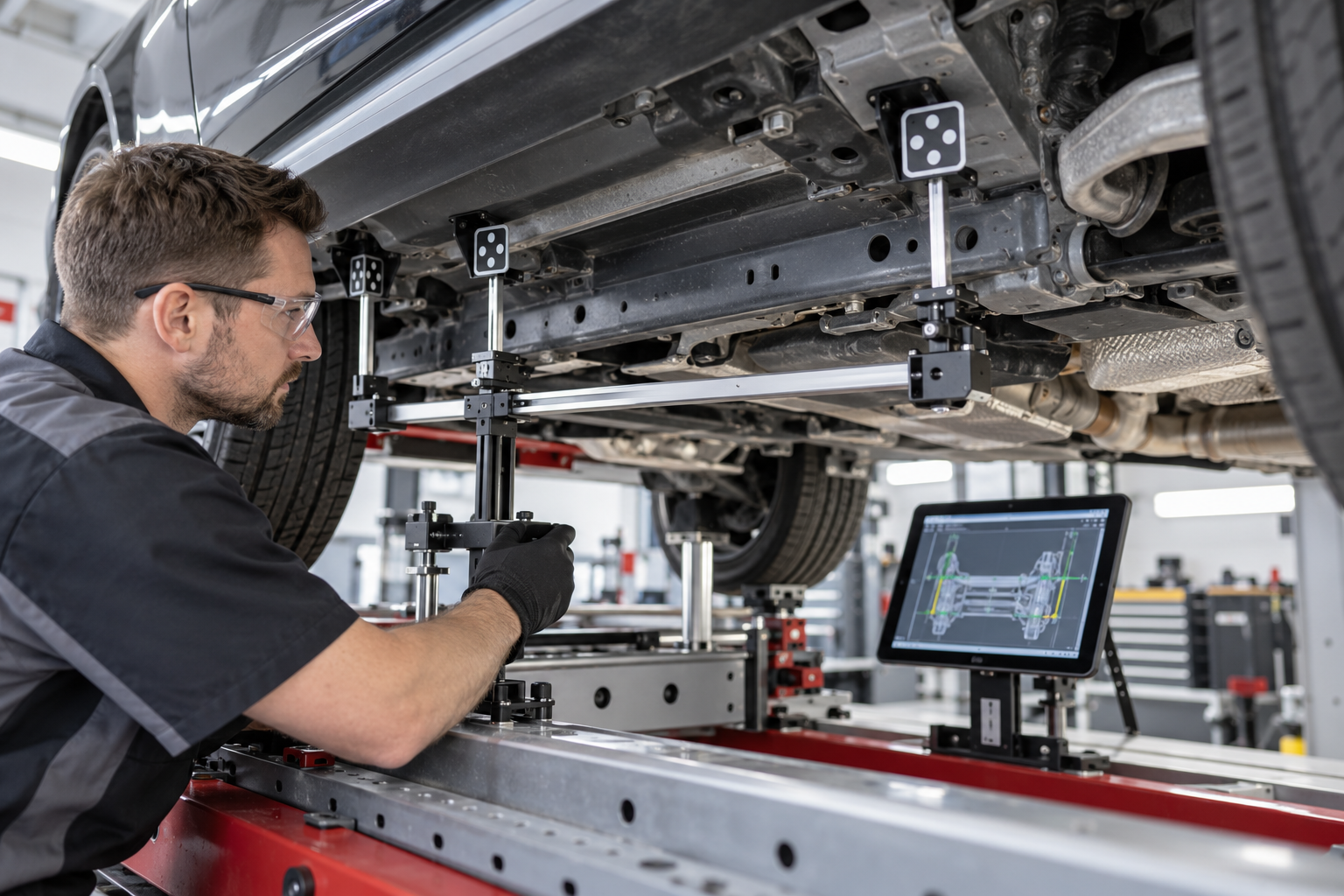
A damaged vehicle may spend days at a tow yard or repair facility before work begins. During that time, storage and administrative charges can accumulate. Understanding the process early can help owners avoid confusion and keep the claim moving.
Why vehicles remain in storage
Delays can occur while the insurer assigns an adjuster, determines coverage, inspects the vehicle, reviews a total-loss possibility, or approves teardown. The shop may also be waiting for authorization, owner direction, or a safe way to move a non-running vehicle.
Tow yard versus repair facility
A tow yard primarily secures and stores vehicles after an incident. A repair facility may store a vehicle while diagnosing damage, waiting for approval, or receiving parts. Rates, grace periods, access rules, and paperwork can differ. Ask each business for its written policies.
Questions to ask immediately
• Where is the vehicle now?
• What daily and administrative charges apply?
• When did charges begin?
• Who can authorize release or transport?
• Has the insurer inspected it?
• Is the vehicle safe to move?
• Who pays if coverage is disputed or limits are reached?
Prevent avoidable delays
Notify the insurer promptly, provide the claim number, and choose a repair destination as soon as you reasonably can. Give the shop and insurer accurate contact information. Respond to authorization requests and keep copies of release forms, tow invoices, and messages.
Do not move an unsafe vehicle casually
A collision-damaged EV, a vehicle with deployed restraints, fluid leaks, steering damage, or a compromised wheel may require special handling. Confirm that the towing method and destination are appropriate before authorizing transport.
If the vehicle may be a total loss
Ask who is responsible for charges while the insurer completes the valuation and when the vehicle is expected to move. Remove personal items only when access is safe and permitted. Loan, title, and settlement questions should be handled directly with the insurer or lienholder.
Clear communication is the best protection. Car Geeks Collision can coordinate an intake inspection, document visible damage, and explain what authorization is needed before repair planning begins. Contact the shop with the vehicle location and claim information so the next steps can be organized.