
Blog
Child Car Seats After a Collision: When Replacement May Be Necessary

After a crash, parents often inspect the vehicle but overlook the child restraint. A car seat can experience forces that are not obvious from the outside, and damage may be hidden in the shell, base, belt path, latch hardware, or energy-absorbing material. Start with the manufacturer’s instructions Replacement guidance varies by car-seat brand and model. Some manufacturers recommend replacement after any crash, while others provide criteria for evaluating certain minor incidents. Read the...
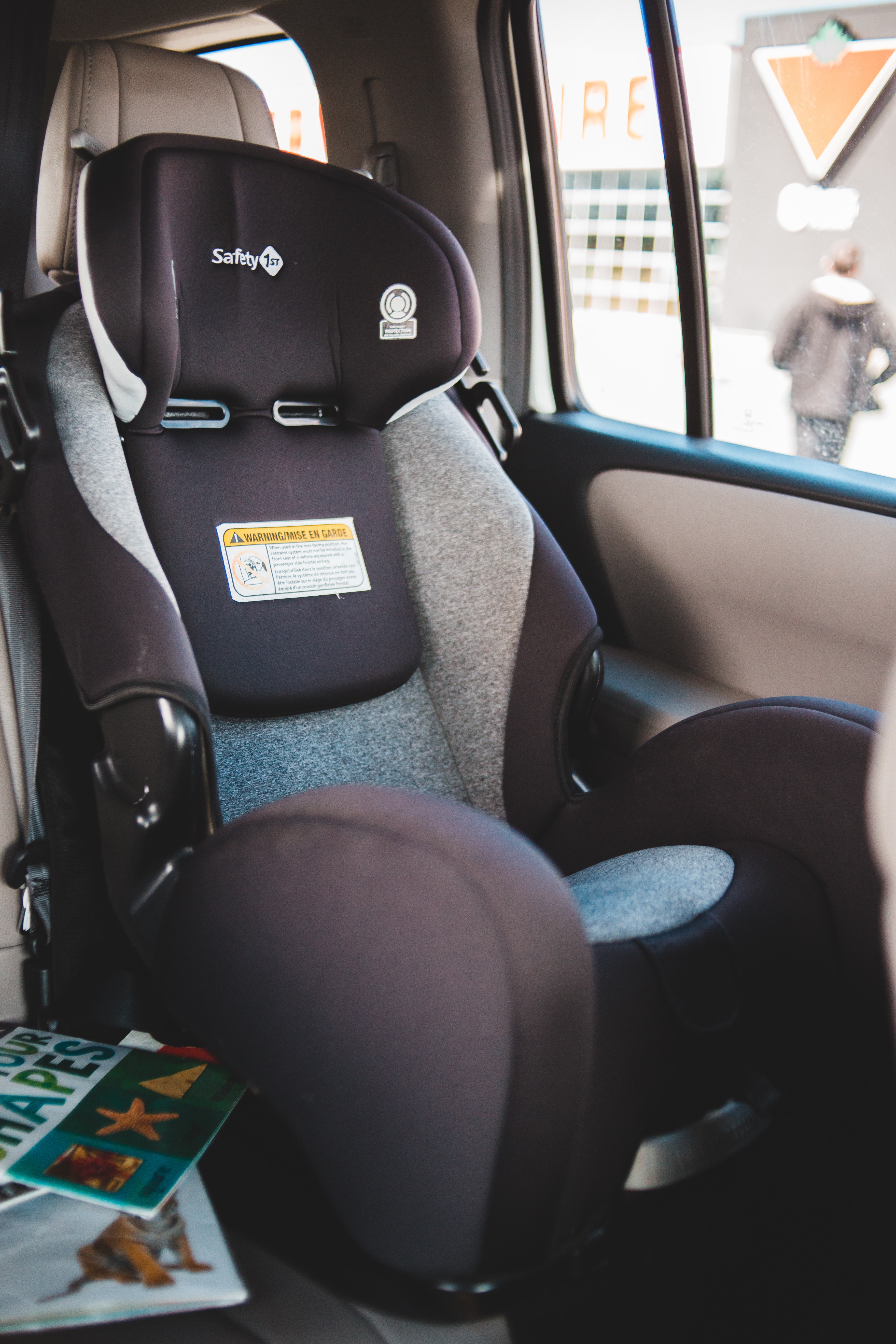
After a crash, parents often inspect the vehicle but overlook the child restraint. A car seat can experience forces that are not obvious from the outside, and damage may be hidden in the shell, base, belt path, latch hardware, or energy-absorbing material.
Start with the manufacturer’s instructions
Replacement guidance varies by car-seat brand and model. Some manufacturers recommend replacement after any crash, while others provide criteria for evaluating certain minor incidents. Read the manual, check the manufacturer’s current guidance, and contact its support team if anything is unclear.
Why visible inspection is not enough
A seat can look normal while plastic, foam, stitching, or connectors have been stressed. Do not rely on shaking the seat or checking only for cracks. Avoid using a seat with damaged webbing, bent hardware, missing labels, or an uncertain history.
Information to document
Photograph the installed seat and the area of impact before removing anything, if it is safe to do so. Save the seat’s model number, manufacture date, serial number, and purchase receipt. Keep the crash report and claim information because an insurer may request documentation.
Check the vehicle too
The seating position should be inspected for damage to the seat belt, buckle, lower anchors, tether anchor, seat frame, and surrounding trim. A deployed pretensioner or warning light requires professional diagnosis. Do not reinstall a child restraint in a position with damaged anchorage or restraint components.
Handling a replaced seat
Follow local disposal guidance and the manufacturer’s instructions so a compromised seat is not reused. Some programs request labels or cut straps, but do not alter the seat until the insurer or manufacturer confirms what documentation is needed.
Plan before the next trip
Use another appropriate restraint that fits the child, vehicle, and installation method. A certified child-passenger-safety technician can help with installation questions; collision technicians should focus on the condition of the vehicle’s restraint and anchorage systems.
Car Geeks Collision can inspect collision-related damage around seats, belts, anchors, and interior structure. If a child seat was occupied or installed during the crash, document it early and confirm replacement guidance before putting it back into service.